
Open-Cell Spray Foam Insulation
The go-to foam for Texas home attics and walls: it expands to seal every gap, quiets the house and costs less than closed-cell.
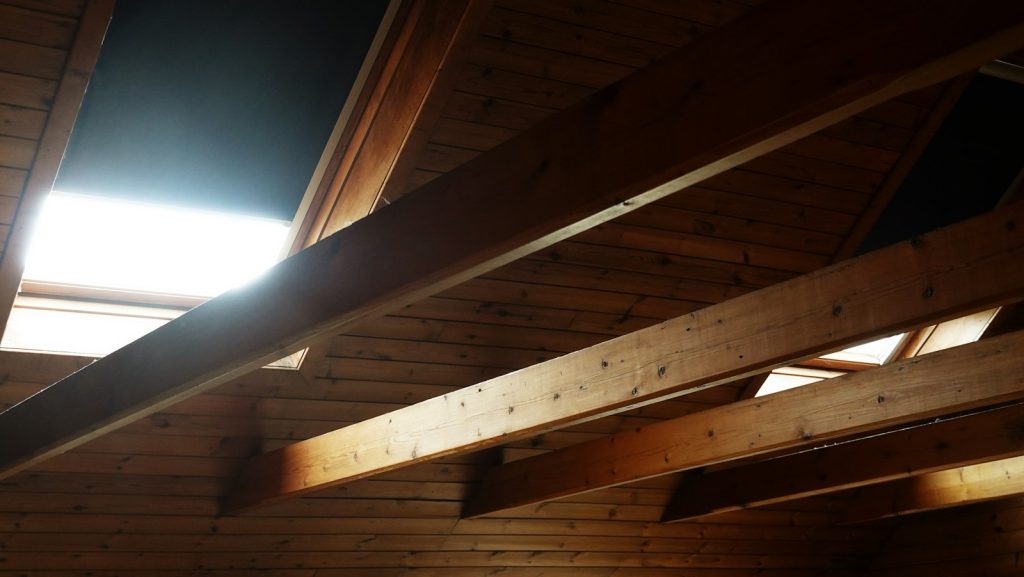
What open-cell foam does best
Open-cell foam is soft and spongy once it cures. It expands roughly 100 times its liquid volume, filling the whole cavity and sealing around wires, pipes and framing.
Sprayed on the underside of the roof deck, it turns a hot vented attic into a sealed, conditioned space — so your ductwork and air handler stop fighting attic heat.
- Attic rooflines and gable walls
- Interior walls and floors for sound control
- Exterior walls in new construction
- Bonus rooms, media rooms and home offices
- Homes where budget matters most
Why it suits North Texas homes
Our biggest energy load is summer cooling. Open-cell foam at the roofline keeps attic temperatures close to the living space instead of climbing well past the outdoor high, which takes pressure off the AC and evens out upstairs rooms.
When we recommend closed-cell instead
Open-cell foam lets water vapor pass through, so it is not the right choice for metal buildings, crawl spaces or areas that get wet. There we use closed-cell foam.
Open-cell vs. closed-cell at a glance
| Feature | Open-cell foam | Closed-cell foam |
|---|---|---|
| R-value per inch | About R-3.5 to R-3.8 | About R-6 to R-7 |
| Density | Light, soft and spongy (~0.5 lb/ft³) | Dense and rigid (~2 lb/ft³) |
| Moisture | Lets vapor pass; not for wet areas | Acts as a vapor barrier |
| Sound | Excellent at dampening noise | Good |
| Structure | No added strength | Adds racking strength to walls |
| Best for | Attics, rooflines, interior walls | Metal buildings, crawl spaces, exterior walls |
| Relative cost | Lower per square foot | Higher per square foot |
Typical manufacturer ranges; exact values depend on the product used.
Open-Cell Spray Foam FAQ
Still have a question? Call 9402910138 or send a quick request and we will get back to you.
What R-value does open-cell foam have?
Typically about R-3.5 to R-3.8 per inch. A common Texas roofline application is 5½ to 7 inches thick — we will match the depth to your home and local code.
Is open-cell foam good for soundproofing?
Yes. Its soft cell structure absorbs sound, which is why it is popular for interior walls, media rooms and offices.
Does open-cell foam need a vapor barrier?
In most North Texas attics and walls, no additional vapor barrier is required. In crawl spaces and metal buildings we use closed-cell foam instead.
More ways we can help
Air-sealing insulation for walls, attics and rooflines in new and existing buildings.
Dense, high R-value foam that blocks moisture and adds strength to metal and exterior walls.
Seal the roof deck so your attic stays near living-space temperature through Texas summers.
Stop condensation and heat gain in barndominiums, shops, garages and pole barns.
Ready for a cooler, quieter, more efficient building?
Tell us about your home, shop or barn. We will recommend the right foam and give you a clear, written estimate.